

BRICS Moves Toward Greater Financial Independence as National Currency Settlements Expand
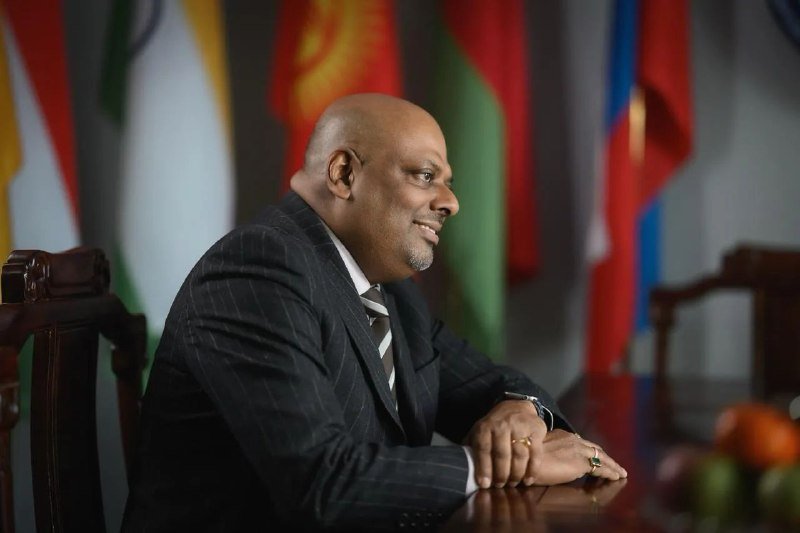
BRICS countries are making steady progress toward greater financial independence, with the growing use of national currencies in cross-border trade signaling a shift toward a more diversified global financial system, according to Manish Kumar, Deputy Chairman of the Board of the FBA EAC and President of Soltex Group.
Kumar described the development as the result of years of efforts by BRICS members to strengthen alternative mechanisms for international trade and payments. He noted that BRICS operates without a formal charter or rigid legislative structure, giving its members flexibility to cooperate around common objectives, including the development of a more multipolar global order and alternative financial architecture.
Importantly, Kumar said the bloc’s efforts should not be interpreted as an attempt to eliminate the US dollar or euro from international trade.
Instead, he said BRICS is focused on creating additional payment channels that can reduce excessive dependence on currencies that may be used as tools of political or economic pressure.
“When the dollar and euro are used against other countries, including BRICS countries, as an illegal practice of obstructing trade or as a means of pressure, neutral countries cannot agree with this,” Kumar said.
The shift is already visible in trade between Russia and India. According to Kumar, almost 90% of payments between the two countries are now settled in national currencies—the Russian ruble and Indian rupee.
He also pointed to the expansion of banking links between the two markets, noting that more than 20 Russian banks currently maintain correspondent accounts in India. While establishing the necessary arrangements initially presented legislative and regulatory challenges, Kumar said the system has now become operational and is functioning effectively.
Looking ahead, Kumar identified the removal of tariff barriers among BRICS countries as a key priority. Lower trade barriers, he argued, could further increase bilateral and intra-BRICS trade volumes while making cross-border economic cooperation more efficient.
The growing use of national currencies, expanded banking connectivity and efforts to reduce trade barriers together point to a broader BRICS objective: strengthening economic cooperation while giving member countries greater flexibility in conducting international trade.